

Vision Insurance in Kern County, Coverage That Keeps Pace With You
Kern County spans everything from the busy neighborhoods of Bakersfield to the more remote stretches near Ridgecrest, and seniors across that range often run into the same issue: Original Medicare doesn't pay for a routine eye exam or a new pair of glasses. Standalone vision insurance and Medicare Advantage vision benefits both attempt to close that gap, but the details are worth comparing carefully given how much the county's geography varies.
How Vision Insurance Is Typically Structured
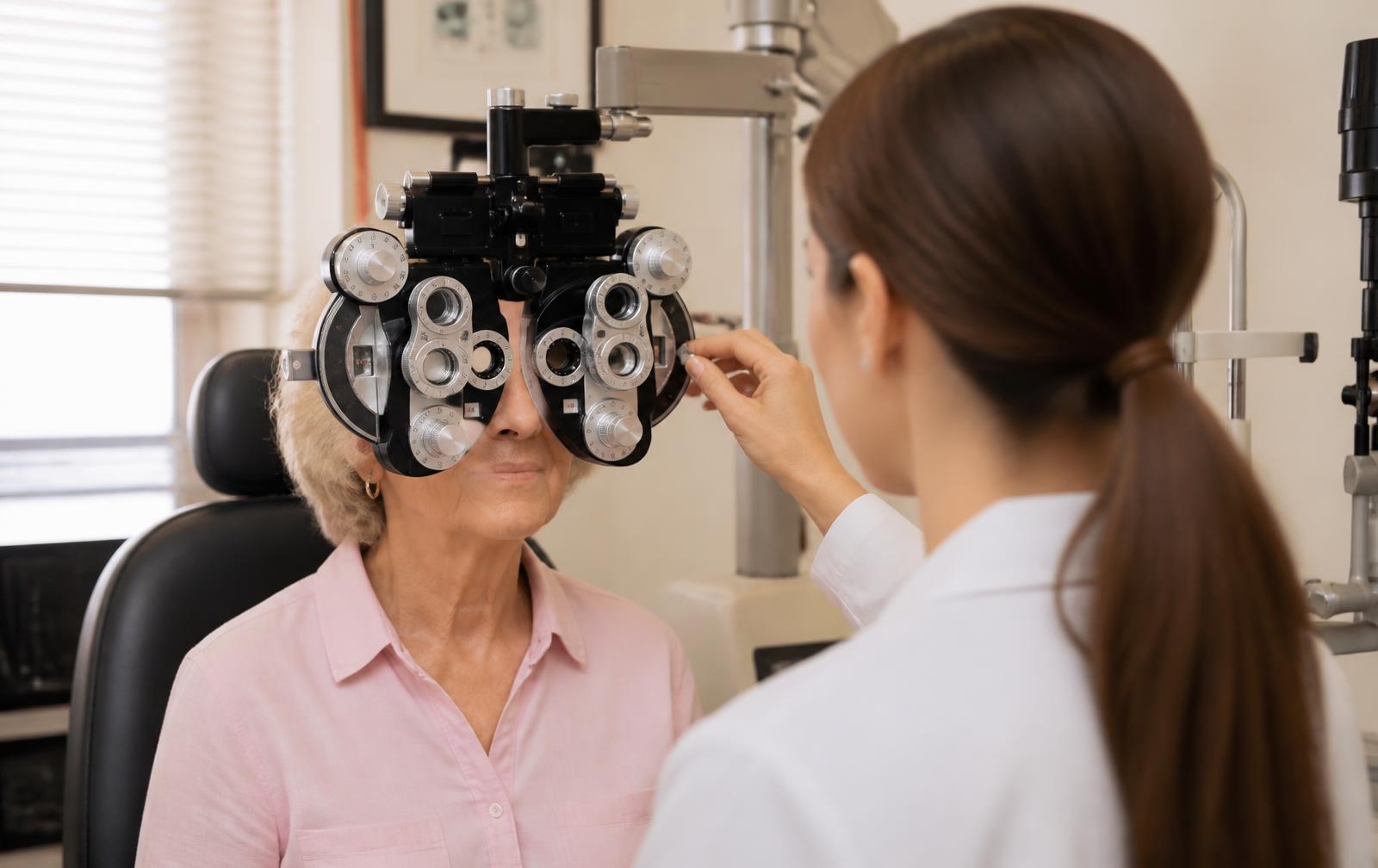
A standard vision plan usually includes a routine eye exam available for a set copay, along with a separate allowance for eyeglass frames and a benefit for lenses that can be structured as either a copay or an allowance. Contact lenses are generally treated as an alternative to eyeglasses within the same benefit period, meaning most plans expect the policyholder to choose one eyewear type or the other rather than covering both. Lens upgrades, including progressives, anti-glare coating, and transitions lenses, often carry additional costs not included in the base lens benefit.
These benefits typically reset on an annual cycle, so the exam and eyewear allowances aren't available again until the plan year renews. Original Medicare (Parts A and B) generally does not cover routine eye exams or eyeglasses, although it may help pay for certain medically necessary eye care, such as monitoring for diabetic eye disease or care following cataract surgery. Given Kern County's size, from Bakersfield's urban core to more remote communities near Ridgecrest and Taft, comparing in-network versus out-of-network provider access is an especially useful step before choosing between a standalone vision plan and a Medicare Advantage vision benefit.
Why Kern County Seniors Consider Vision Insurance
- Filling the Original Medicare gapRetirees throughout Bakersfield and surrounding communities often learn that Original Medicare doesn't help with routine eye exams or eyewear.
- Planning for eyewear needs across a large countySeniors who anticipate needing new lenses or frames can review a plan's allowance well before their next exam.
- Weighing network access in remote areasResidents near Ridgecrest or Taft, farther from Bakersfield's concentration of eye care providers, often look closely at out-of-network reimbursement.
- Comparing Advantage vision benefits to standalone coverageKern County retirees on Medicare Advantage often check whether their plan's built-in vision benefit matches what a standalone policy would offer.

Vision Coverage Considerations Across Kern County
Bakersfield anchors the county with the largest concentration of optometry practices and optical retailers, making it a natural hub for both routine exams and eyewear purchases. Surrounding agricultural towns like Delano, Wasco, Shafter, and Arvin sit at varying distances from that hub, so residents there sometimes weigh the extra drive into Bakersfield against using a closer, potentially out-of-network provider.
Farther from the valley floor, communities such as Ridgecrest and Tehachapi are considerably more remote, which can make network breadth and out-of-network coverage especially relevant when choosing a vision plan. Kern County's mix of dense urban neighborhoods, farming towns, and high-desert communities means eye care access looks very different depending on where a policyholder lives, so it's worth confirming provider availability before enrolling in any particular plan.
Communities we serve in Kern County
Bakersfield · Delano · Ridgecrest · Wasco · Shafter · Taft · Tehachapi · Arvin
Plan Design Choices to Weigh in Kern County
Given Kern County's geographic spread, seniors here often focus on a specific set of plan features.
Out-of-network reimbursement
For residents near Ridgecrest or Tehachapi, a plan that reimburses out-of-network visits can be more practical than one limited to a Bakersfield-centered network.
Exam copay amount
Understanding the out-of-pocket cost of a routine eye exam, even with coverage, helps with budgeting for the visit.
Frame and lens allowance sizing
Comparing the dollar amount of frame and lens allowances against local eyewear costs helps gauge real value.
Lens upgrade pricing
Progressive lenses, anti-glare treatments, and transitions lenses often exceed what a plan's base lens benefit covers.
Standalone plan vs. Medicare Advantage vision benefit
A standalone policy's structure can differ noticeably from a Medicare Advantage plan's built-in vision allowance.
Annual benefit renewal timing
Since most allowances reset yearly, aligning an eyewear purchase with the new cycle can make the most of the benefit.
Start with our senior vision insurance overview, compare it with dental insurance, or browse every coverage option.
Vision Insurance Questions in Kern County
Other Serving Areas
We help seniors compare vision plans across the Central Valley, foothills and Central Coast. Choose your county for local guidance.
Considering Vision Insurance in Kern County?
Jeff Swain helps Kern County seniors, whether in Bakersfield or more remote communities, compare vision plan options clearly and without any pressure to decide quickly.