

Vision Insurance in Kings County, A Clearer View of Your Coverage
Kings County's smaller population and closely spaced towns mean many seniors around Hanford and Lemoore share a similar realization: Original Medicare doesn't pay for a routine eye exam or new glasses. Standalone vision insurance and Medicare Advantage vision benefits offer two different paths toward covering that cost, each with its own allowances and network rules.
How Vision Coverage Is Structured
Most vision plans pair a routine eye exam, typically available for a modest copay, with a separate dollar allowance toward eyeglass frames and a lens benefit that may be structured as a copay or an allowance depending on the plan. Contact lenses are usually offered as an alternative to eyeglasses rather than an additional benefit, so policyholders generally decide which type of eyewear to apply their allowance toward in a given cycle. Enhancements such as progressive lenses, anti-glare coating, or transitions lenses commonly cost more than what the base lens benefit covers.
Vision benefits typically renew on an annual cycle, so the exam and eyewear allowances become available again only once every 12 months. Original Medicare (Parts A and B) generally doesn't cover routine eye exams or eyeglasses, though it may help with certain medically necessary eye care, such as care related to diabetic eye disease or follow-up visits after cataract surgery. Because of that gap, Kings County seniors typically weigh a standalone vision policy against a Medicare Advantage plan that includes a vision benefit, and it's worth reviewing how each handles in-network versus out-of-network providers before deciding.
Why Kings County Seniors Consider Vision Insurance
- Closing the Original Medicare gapRetirees in Hanford and Lemoore often find that Original Medicare leaves routine eye exams and eyewear completely uncovered, prompting a look at standalone options.
- Preparing for eyewear costsSeniors anticipating a need for new frames or lenses can compare a plan's allowance against their expected timeline for an update.
- Considering limited local network optionsWith fewer optometry practices spread across a smaller county, some residents lean toward a plan with a usable out-of-network benefit.
- Weighing Advantage vision benefits against standalone coverageKings County retirees on Medicare Advantage often compare their plan's built-in vision benefit to what a dedicated vision policy would offer.
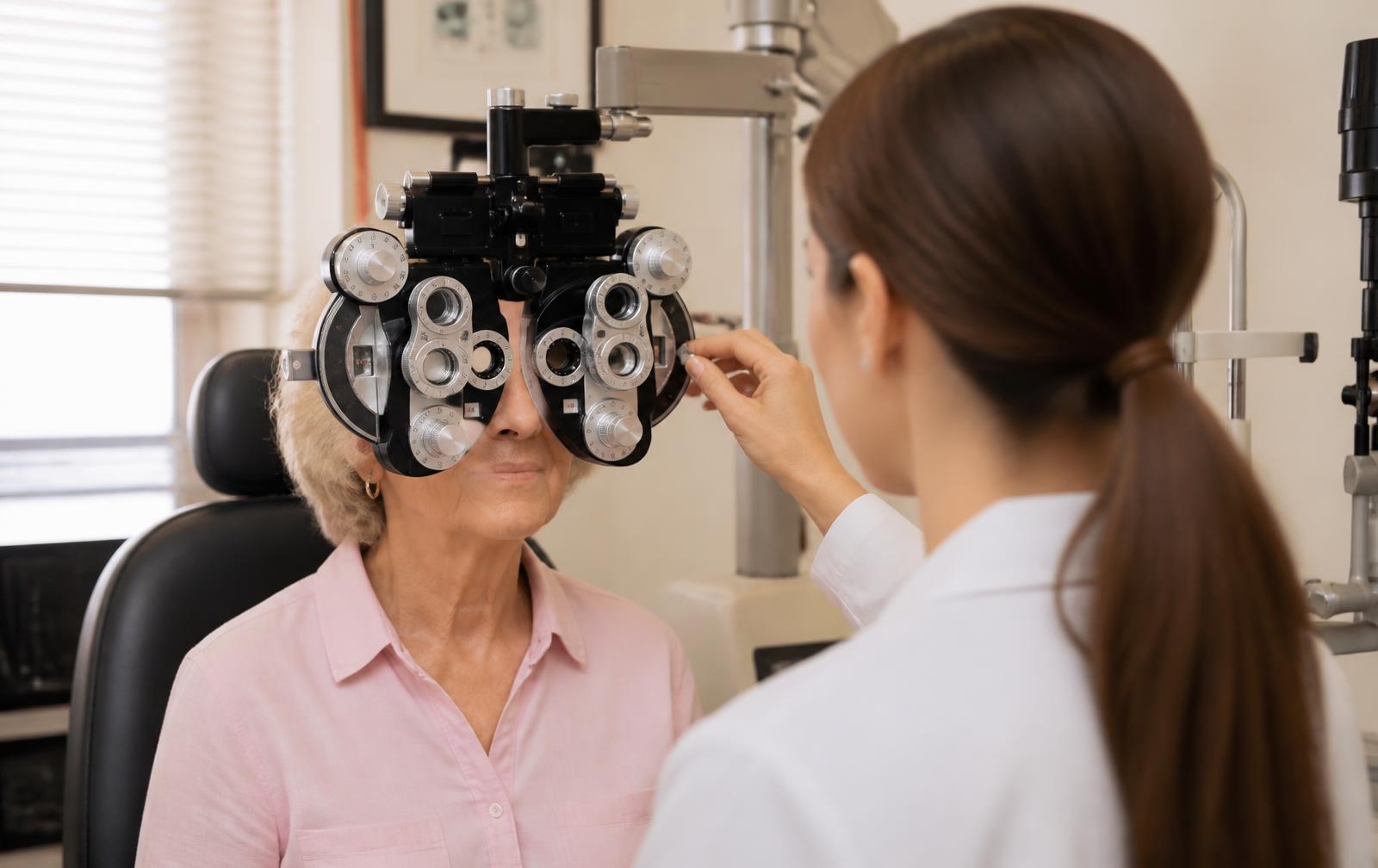

Vision Coverage Considerations Across Kings County
Hanford and Lemoore hold the county's main concentration of optometry offices and optical retailers, while smaller communities such as Corcoran, Avenal, and Kettleman City sit at a greater distance from those services. Residents in these outlying towns often factor travel time into their decision between an in-network provider farther away and a closer out-of-network option that may cost more.
Kings County's agricultural economy means many retirees keep a close eye on fixed incomes, so the size of a vision plan's frame and lens allowances often matters as much as network access. Some households also weigh whether a Medicare Advantage plan's built-in vision benefit realistically covers the eyewear they expect to need, given the more limited number of nearby providers to choose from.
Communities we serve in Kings County
Hanford · Lemoore · Corcoran · Avenal · Armona · Kettleman City · Stratford
Choices to Consider in Kings County
Kings County seniors typically narrow their comparison down to a few key plan features.
Exam copay and frequency
Confirming how often a routine eye exam is covered, and at what copay, sets realistic expectations for the plan year.
Provider network reach
Given the smaller number of local optometrists, checking whether a plan reimburses out-of-network visits can be important.
Frame allowance amount
Comparing the dollar allowance toward frames against typical costs helps gauge how far the benefit will go.
Lens upgrade costs
Progressive lenses, anti-glare coating, and transitions lenses often add cost beyond a plan's standard lens benefit.
Standalone plan vs. Medicare Advantage vision benefit
A standalone policy's allowance can differ from a Medicare Advantage plan's built-in vision benefit, so it's worth comparing both.
Annual benefit cycle
Because most allowances reset once a year, timing an eyewear purchase around the renewal date can be worthwhile.
Start with our senior vision insurance overview, compare it with dental insurance, or browse every coverage option.
Vision Insurance Questions in Kings County
Other Serving Areas
We help seniors compare vision plans across the Central Valley, foothills and Central Coast. Choose your county for local guidance.
Looking Into Vision Insurance in Kings County?
Jeff Swain helps Kings County seniors sort through standalone vision plans and Medicare Advantage vision benefits at an easy pace, with no pressure to decide right away.