

Hearing Insurance in Calaveras County, Practical Coverage for Foothill Living
Calaveras County retirees living among the Sierra foothills often find that Original Medicare provides little help toward a routine hearing exam or a new hearing aid. Standalone hearing insurance and the hearing benefits included with some Medicare Advantage plans both attempt to fill that gap, but comparing their allowances, copays, and provider access is especially important in a county where audiology practices are not always close by.
How Senior Hearing Insurance Works Here
A typical hearing insurance plan combines a routine audiologic evaluation, often covered for a set copay, with a hearing aid benefit structured either as a fixed allowance or a set of copay tiers tied to device technology level. Fitting appointments when a new hearing aid is dispensed are generally included, and many plans also provide a limited number of follow-up adjustment visits along with some allowance for batteries or accessories, though the exact terms vary by plan.
Because hearing aids are usually kept for several years before replacement, benefit cycles for device coverage often extend across multiple years rather than resetting every 12 months. Original Medicare (Parts A and B) generally does not cover routine hearing exams or hearing aids, though it may help pay for a diagnostic hearing test ordered by a physician to evaluate a medical condition. Given Calaveras County's rural layout, many residents weigh a standalone hearing plan against a Medicare Advantage plan's built-in hearing benefit with particular attention to whether a nearby or in-network audiologist is realistically reachable.
Why Calaveras County Seniors Consider Hearing Insurance
- Filling the Original Medicare gapRetirees in San Andreas and Angels Camp often learn that Original Medicare doesn't help with a routine hearing exam or hearing aid, leading them to look at standalone coverage.
- Planning around limited local providersBecause audiology practices are not concentrated within the county, households often review a plan's allowance and network before assuming a nearby provider will be in-network.
- Weighing travel to Stockton or Sonora for careSeniors in Copperopolis or Valley Springs sometimes need to travel outside the county for audiology services, making out-of-network benefits worth checking.
- Comparing Advantage hearing benefits to standalone plansSome Calaveras County retirees on a Medicare Advantage plan check whether its built-in hearing benefit is enough compared with a dedicated hearing insurance policy.
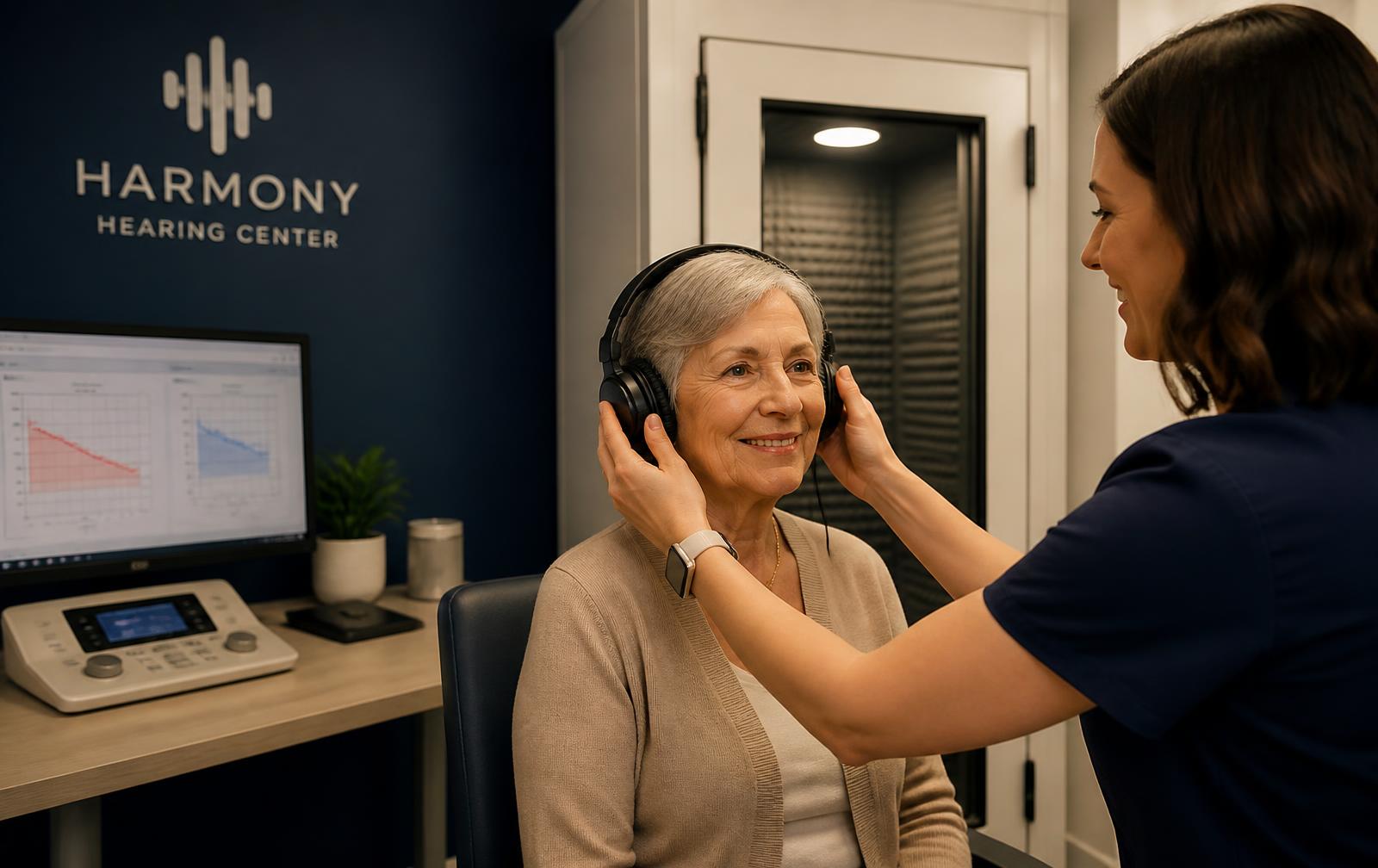

Hearing Coverage Considerations Across Calaveras County
Calaveras County's foothill communities, from San Andreas and Angels Camp to smaller towns like Murphys, Arnold, and West Point, are spread across a largely rural landscape with winding roads and longer travel times than more urbanized counties. Because the county has fewer audiology practices of its own, many residents end up traveling toward Stockton, Sonora, or Modesto for hearing exams or hearing aid fittings, which makes a hearing plan's out-of-network reimbursement and provider directory especially relevant here.
Higher-elevation communities such as Arnold see seasonal weather that can affect travel to appointments, so some seniors in those areas prefer scheduling exams and fittings during more accessible months. Given the distances involved, many Calaveras County households pay close attention to whether a plan's network extends into neighboring counties rather than assuming coverage is limited to providers physically located within Calaveras County.
Communities we serve in Calaveras County
San Andreas · Angels Camp · Valley Springs · Copperopolis · Murphys · Arnold · Mokelumne Hill · West Point
Plan Design Choices to Weigh
Calaveras County seniors typically focus on a set of practical plan details given the county's rural layout.
Provider network reach beyond the county
Since audiology providers are limited locally, checking whether a plan's network includes practices in Stockton, Sonora, or Modesto matters.
Exam copay vs. hearing aid allowance
Plans usually separate the audiologic evaluation cost from the dollar allowance or copay tier applied toward hearing aids.
Out-of-network reimbursement
For residents who may need to see a provider outside the plan's core network, understanding the out-of-network reimbursement level is important.
Fitting and follow-up adjustment visits
Confirming how many adjustment appointments are included after a new fitting can help with planning around travel time.
Standalone hearing plan vs. Medicare Advantage hearing benefit
A standalone policy's allowance may differ from a Medicare Advantage plan's built-in hearing benefit, so comparing both is worthwhile.
Replacement and repair schedule
Understanding how often a plan allows a new device or covers repairs matters over the years between hearing aid purchases.
Start with our senior hearing insurance overview, compare it with vision insurance, or browse every coverage option.
Hearing Insurance Questions in Calaveras County
Other Serving Areas
We help seniors compare hearing benefits across the Central Valley, foothills and Central Coast. Choose your county for local guidance.
Exploring Hearing Insurance Options in Calaveras County?
Jeff Swain helps Calaveras County seniors compare standalone hearing plans and Medicare Advantage hearing benefits at a comfortable pace, with clear answers and no pressure.