

Hearing Insurance in San Luis Obispo County, Support for Hearing Exams and Hearing Aids
Retirees in San Luis Obispo County frequently learn, sometimes after a visit to an audiologist, that Original Medicare generally does not pay for routine hearing exams or hearing aids. Standalone hearing insurance and the hearing benefits included with some Medicare Advantage plans both try to close that gap, but their allowances, copays, and provider networks are structured differently enough to warrant a careful look before choosing either.
How Senior Hearing Insurance Works
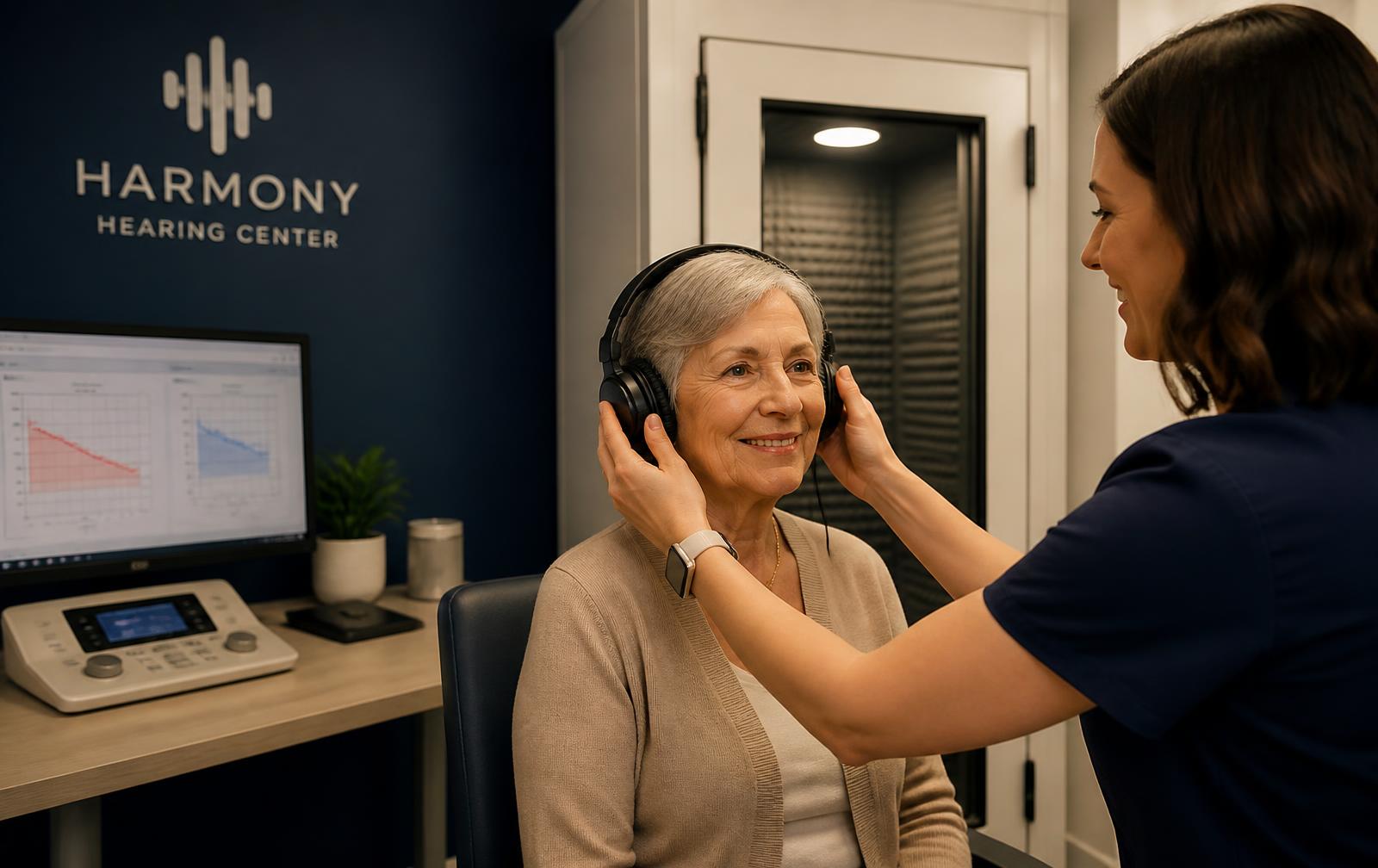
Most hearing insurance plans are structured around a routine audiologic evaluation, typically available for a set copay, paired with either a fixed allowance toward hearing aids or a defined copay tier depending on the device level chosen. Batteries, accessories, and fitting appointments are often included or discounted, though the specifics vary from plan to plan, and follow-up adjustment visits after a new hearing aid fitting are usually built into the benefit for a limited window rather than indefinitely.
These plans typically operate on a benefit cycle that runs one to several years for hearing aid replacement, since hearing aids are not usually purchased annually the way eyewear might be. Because Original Medicare (Parts A and B) generally does not cover routine hearing exams or hearing aids, though it may help pay for a diagnostic hearing test ordered by a doctor to evaluate a medical condition, San Luis Obispo County retirees often weigh a standalone hearing plan against a Medicare Advantage plan's built-in hearing benefit, and checking whether a preferred audiologist is in-network is a useful early step in that comparison.
Why San Luis Obispo County Seniors Consider Hearing Insurance
- Filling the Original Medicare gapRetirees around San Luis Obispo and Paso Robles often discover that Original Medicare doesn't help with a routine hearing exam or a new hearing aid, prompting a look at standalone coverage.
- Planning for hearing aid costsHouseholds anticipating a hearing aid fitting can review a plan's allowance or copay tiers ahead of time rather than being surprised by the total cost.
- Weighing coastal travel for specialty careSeniors in smaller coastal towns like Morro Bay or Cayucos sometimes prefer a plan with a broader network or usable out-of-network benefit for audiology visits.
- Comparing Advantage hearing benefits to standalone plansSome San Luis Obispo County retirees on a Medicare Advantage plan check whether its built-in hearing benefit covers as much as a dedicated hearing insurance policy.
Hearing Coverage Considerations Across San Luis Obispo County
San Luis Obispo and the North County cities of Paso Robles and Atascadero host most of the county's audiology practices, while the South County communities of Arroyo Grande, Grover Beach, and Pismo Beach draw on a smaller set of nearby providers. Coastal towns such as Morro Bay and Cambria sit farther from the county's audiology hubs, so residents there often weigh whether an in-network provider worth the drive beats a closer out-of-network option that costs more out of pocket.
San Luis Obispo County's mix of a college town, agricultural inland valleys, and small coastal communities means retirement budgets and travel tolerance vary widely across the county. Because hearing aid replacement schedules tend to span several years rather than resetting annually, many seniors here focus less on short-term benefit cycles and more on whether a plan's network and allowance will hold up when the time comes to replace or repair a device.
Communities we serve in San Luis Obispo County
San Luis Obispo · Paso Robles · Atascadero · Arroyo Grande · Grover Beach · Morro Bay · Pismo Beach · Templeton
Plan Design Choices to Weigh
San Luis Obispo County seniors typically compare a handful of structural details before choosing a hearing plan.
Exam copay vs. hearing aid allowance
Plans usually separate the cost of the audiologic evaluation from the dollar allowance or copay tier applied toward hearing aids.
In-network vs. out-of-network audiologists
Using an in-network provider generally stretches a plan's allowance further than seeing an out-of-network audiologist.
Fitting and follow-up adjustment visits
Many plans include a set number of follow-up fitting adjustments after a new device is purchased, which is worth confirming in advance.
Batteries and accessories coverage
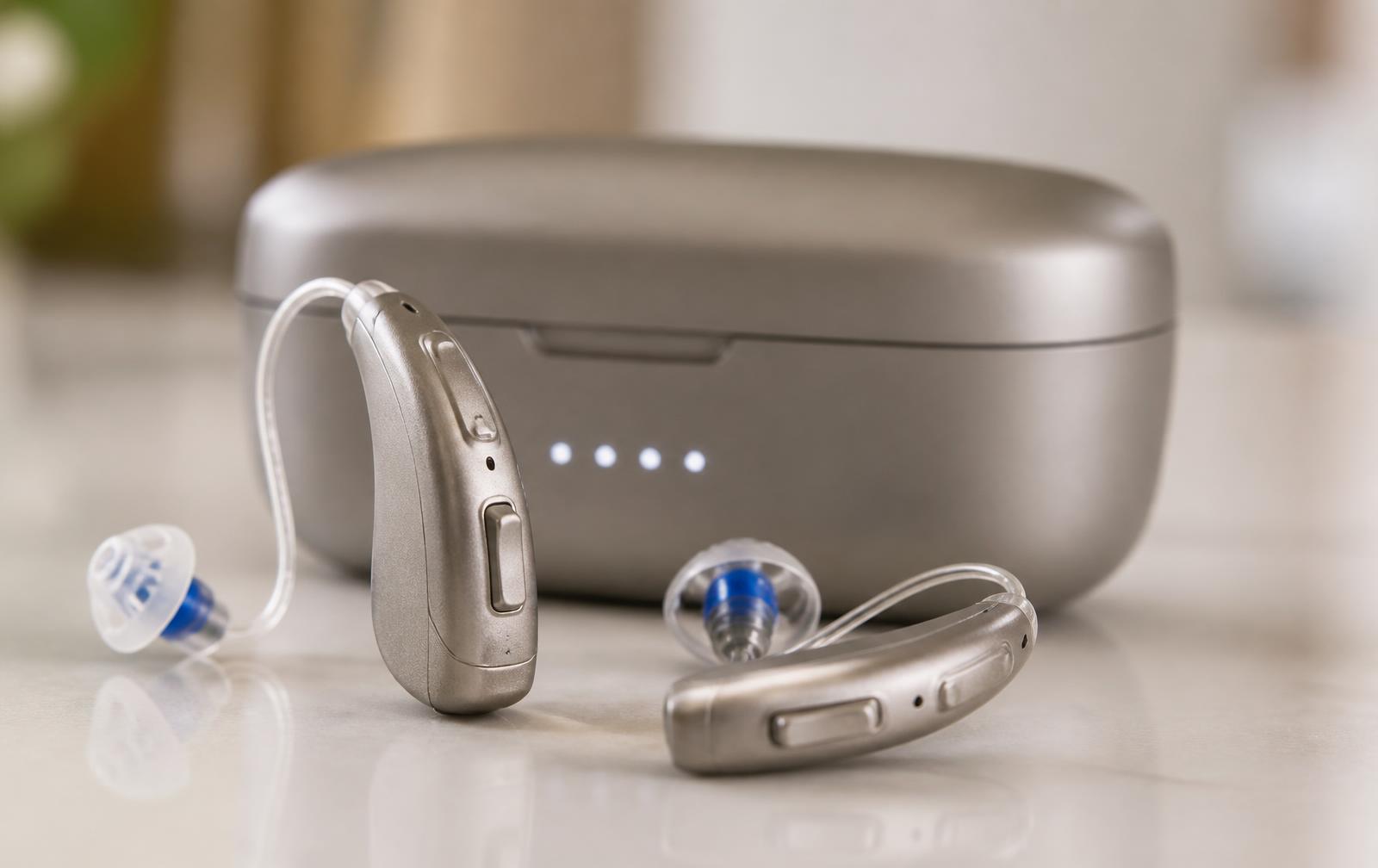
Some plans include an allowance for batteries, cleaning supplies, or other accessories, while others do not.
Standalone hearing plan vs. Medicare Advantage hearing benefit
A standalone policy's allowance may differ meaningfully from a Medicare Advantage plan's built-in hearing benefit, so comparing the two is worthwhile.
Replacement and repair schedule
Since hearing aids typically aren't replaced every year, understanding how often a plan allows a new device or covers repairs matters over the long run.
Start with our senior hearing insurance overview, compare it with vision insurance, or browse every coverage option.
Hearing Insurance Questions in San Luis Obispo County
Other Serving Areas
We help seniors compare hearing benefits across the Central Valley, foothills and Central Coast. Choose your county for local guidance.
Exploring Hearing Insurance Options in San Luis Obispo County?
Jeff Swain helps San Luis Obispo County seniors compare standalone hearing plans and Medicare Advantage hearing benefits at a comfortable pace, with clear answers and no pressure.