

Hearing Insurance in Tulare County, Hearing Your Options Clearly
Tulare County retirees, many settled in farming communities around Visalia and Porterville, are often surprised that Original Medicare offers little help toward a routine hearing exam or a set of hearing aids. Standalone hearing insurance and the hearing benefits included in some Medicare Advantage plans both try to address that, though their allowances, copays, and provider networks can differ quite a bit from one another.
Understanding Senior Hearing Coverage
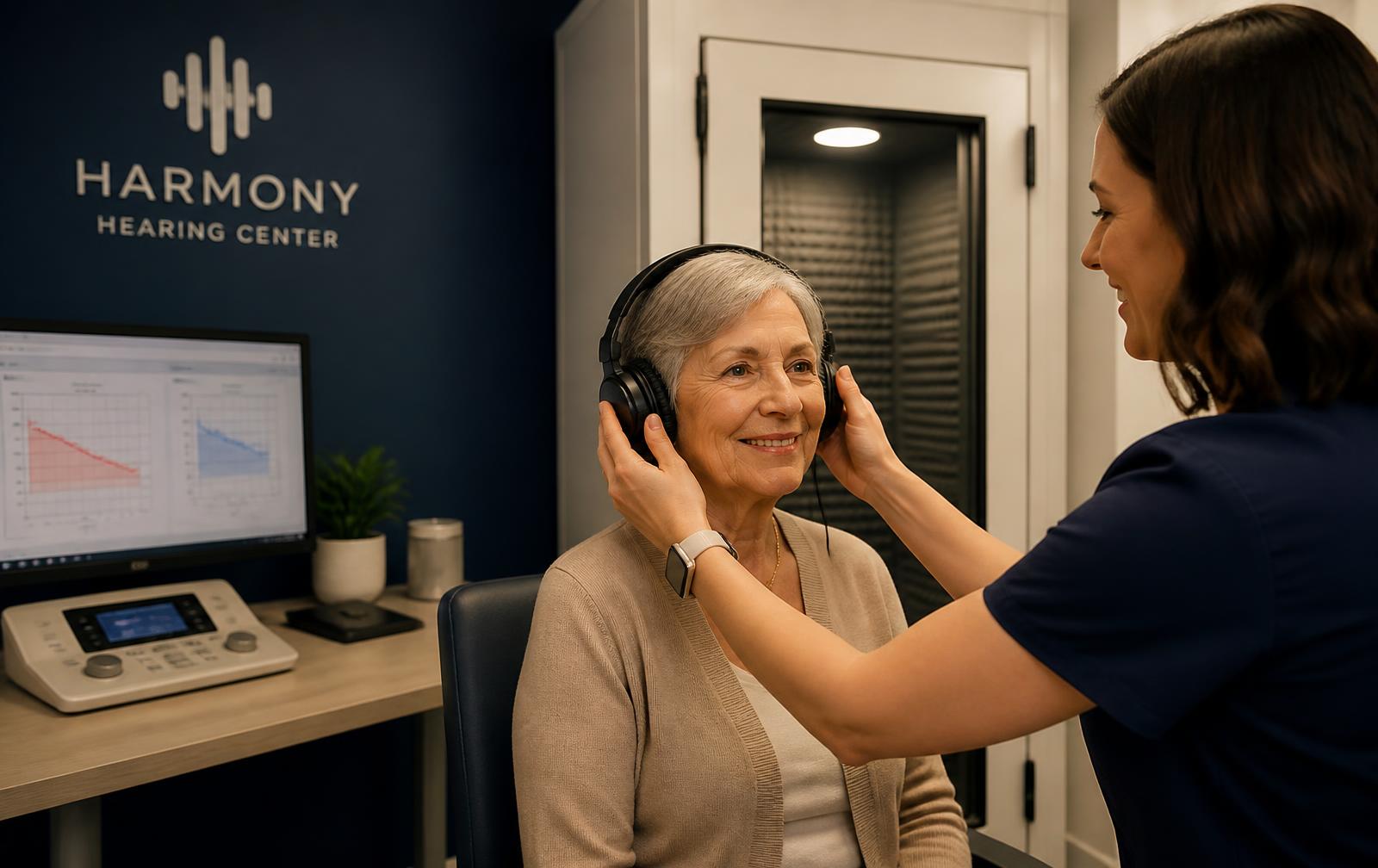
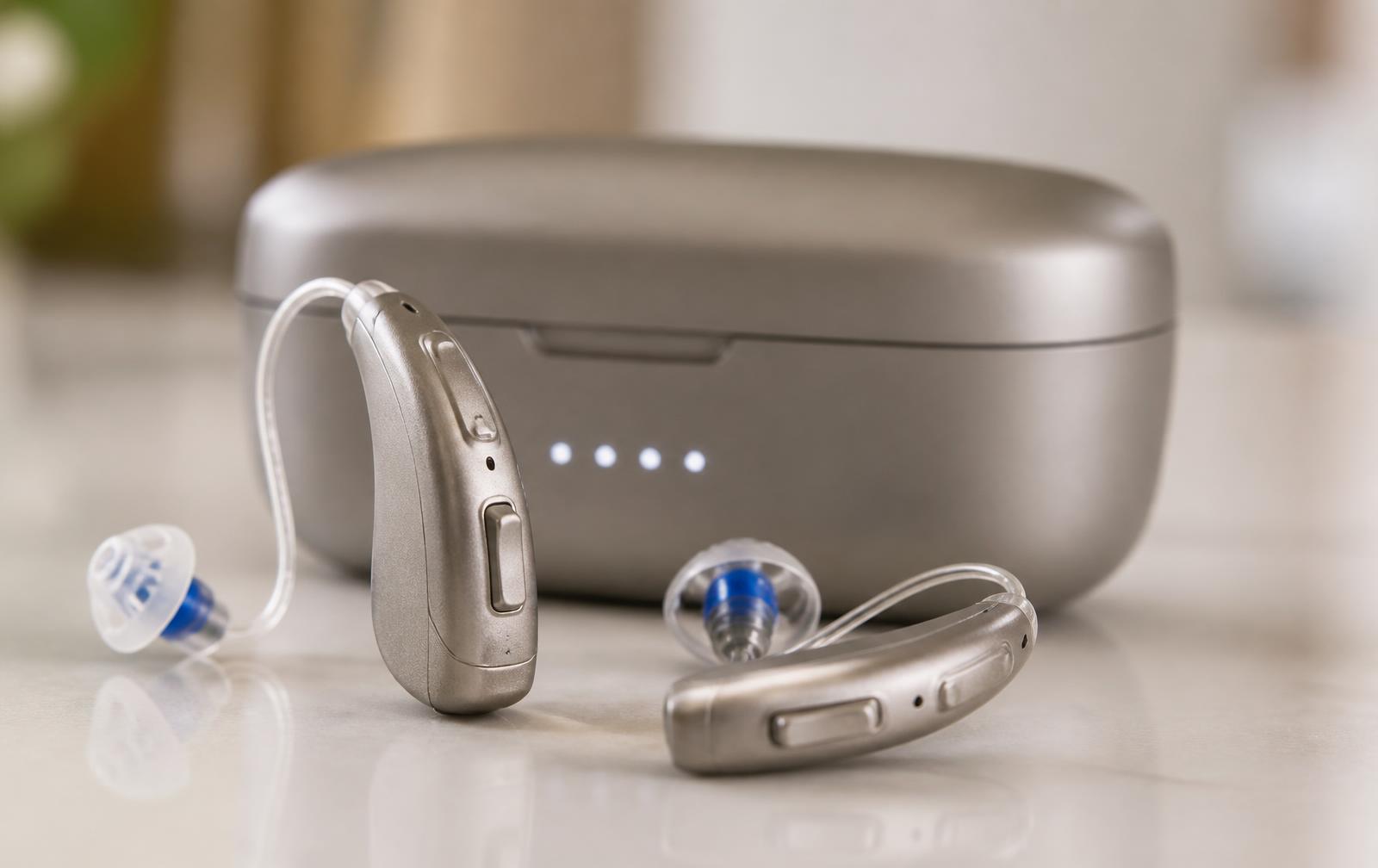
A typical hearing plan pairs a routine hearing exam or audiologic evaluation, often available for a set copay, with a separate allowance applied toward hearing aids. That allowance is generally a fixed dollar amount per device rather than full coverage of the retail price, so the technology level and features a person chooses can meaningfully affect what's left to pay out of pocket. Fitting appointments and the adjustments that follow are usually included, and many plans also outline how batteries, accessories, and repairs or replacements are handled over time.
Because these plans usually operate on a defined benefit cycle, sometimes annual and sometimes spanning several years for hearing aid replacement specifically, understanding the timeline matters as much as the dollar amounts involved. Original Medicare (Parts A and B) generally does not pay for routine hearing exams or hearing aids, although it can cover a diagnostic hearing test when a doctor orders one to evaluate a medical condition. As a result, Tulare County seniors typically choose between a standalone hearing policy and a Medicare Advantage plan that bundles in a hearing benefit, and comparing how each handles in-network versus out-of-network providers is a useful step before enrolling.
Why Tulare County Seniors Look Into Hearing Insurance
- Addressing the Original Medicare gapRetirees around Visalia and Tulare often find that Original Medicare leaves routine hearing exams and hearing aids entirely uncovered, prompting a look at standalone hearing plans.
- Planning for hearing aid replacementSeniors who expect to need new devices soon can review a plan's allowance and replacement schedule before their next appointment.
- Considering travel to audiology providersResidents in smaller communities like Woodlake or Lindsay sometimes prefer a plan with usable out-of-network benefits rather than one tied to a narrow network near Visalia.
- Comparing Advantage hearing benefits to standalone plansMany Tulare County retirees on a Medicare Advantage plan check whether its built-in hearing benefit covers as much as a dedicated hearing policy would.
Hearing Coverage Across Tulare County
Visalia serves as the county's largest population center and generally has the widest concentration of audiology practices, while Porterville and Tulare act as secondary hubs for surrounding agricultural communities. Smaller towns such as Exeter, Lindsay, Dinuba, and Woodlake sit at varying distances from those hubs, so residents there often weigh whether an in-network provider farther away is worth the drive compared with a closer out-of-network option.
Many households in Tulare County's citrus and dairy communities are multigenerational, and adult children sometimes help older relatives compare hearing plan allowances or explain the difference between a standalone policy's hearing aid benefit and what a Medicare Advantage plan already provides. Given the travel involved for some rural residents, network breadth and out-of-network reimbursement often carry real weight when choosing a hearing plan here.
Communities we serve in Tulare County
Visalia · Tulare · Porterville · Dinuba · Exeter · Lindsay · Farmersville · Woodlake
Choices to Consider When Comparing Plans
Tulare County seniors generally focus on a set of core plan design questions.
Exam copay structure
Understanding what a routine hearing exam costs under a plan, even with coverage, helps set expectations before scheduling a visit.
Network access for rural residents
A plan that reimburses out-of-network visits can matter for seniors in Woodlake, Lindsay, or other communities farther from Visalia's audiology offices.
Hearing aid allowance amount
Allowances toward hearing aids vary by plan, so comparing the dollar amount against typical device costs is worthwhile.
Fitting and adjustment visits
Confirming how many follow-up fitting adjustments are included helps avoid surprise costs after the initial purchase.
Standalone plan vs. Medicare Advantage hearing benefit
A fixed Advantage hearing benefit may not stretch as far as a standalone plan's allowance, depending on the specific plans being compared.
Replacement schedule timing
Since hearing aid replacement often follows a multi-year schedule, planning a purchase around that timeline can make the most of available benefits.
Start with our senior hearing insurance overview, compare it with vision insurance, or browse every coverage option.
Hearing Insurance Questions in Tulare County
Other Serving Areas
We help seniors compare hearing benefits across the Central Valley, foothills and Central Coast. Choose your county for local guidance.
Comparing Hearing Insurance Options in Tulare County?
Jeff Swain walks Tulare County seniors through standalone hearing plans and Medicare Advantage hearing benefits, explaining the tradeoffs clearly and without pressure.