

Hearing Insurance in Kern County, Support for a Wide and Varied County
Kern County's sheer size, stretching from Bakersfield's urban core out to desert communities like Ridgecrest, means hearing care access and plan considerations can look different depending on where a retiree lives. Many discover along the way that Original Medicare generally doesn't help with a routine hearing exam or hearing aids, which is where standalone hearing insurance and Medicare Advantage hearing benefits come into the picture.
How Senior Hearing Insurance Is Built
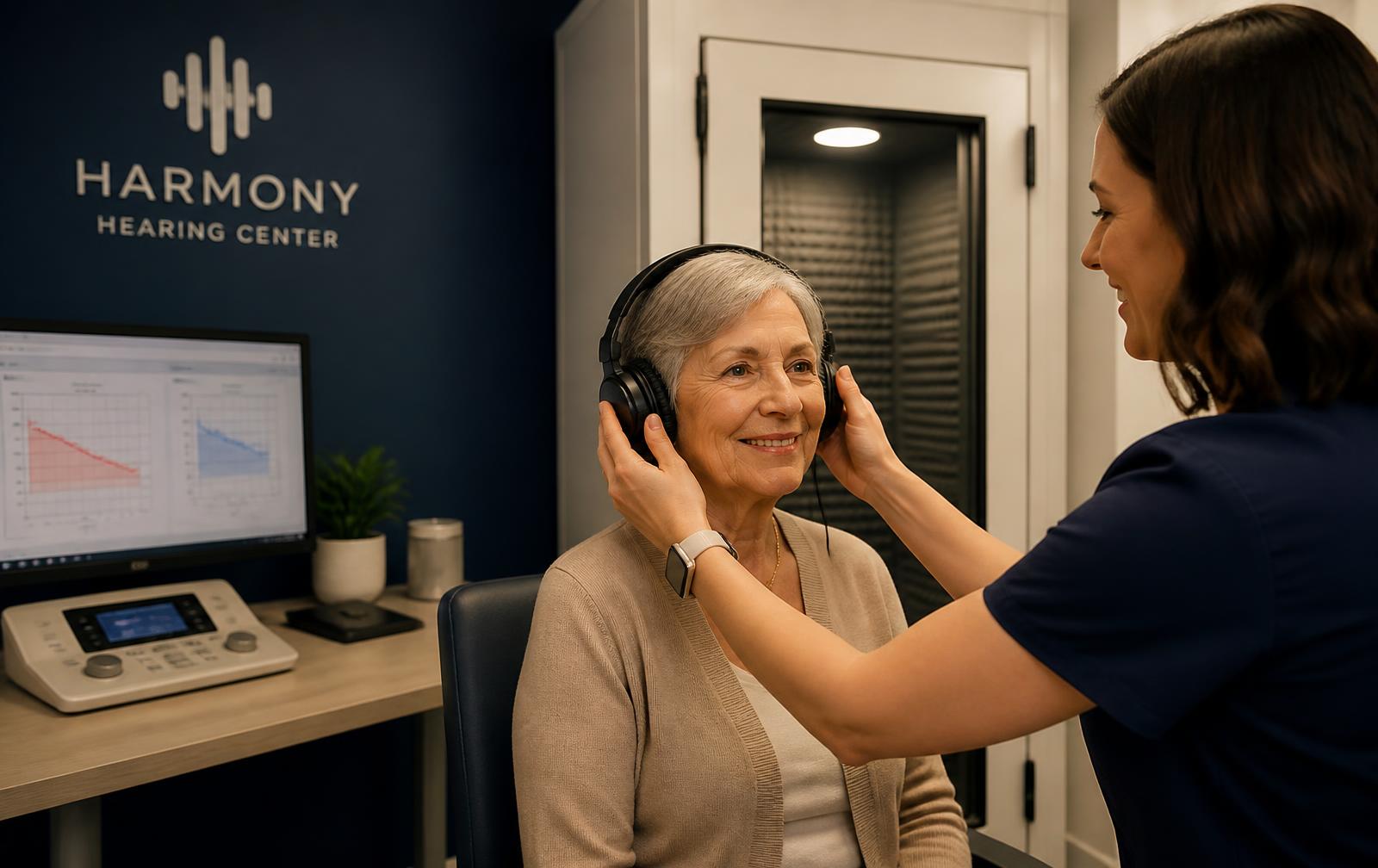
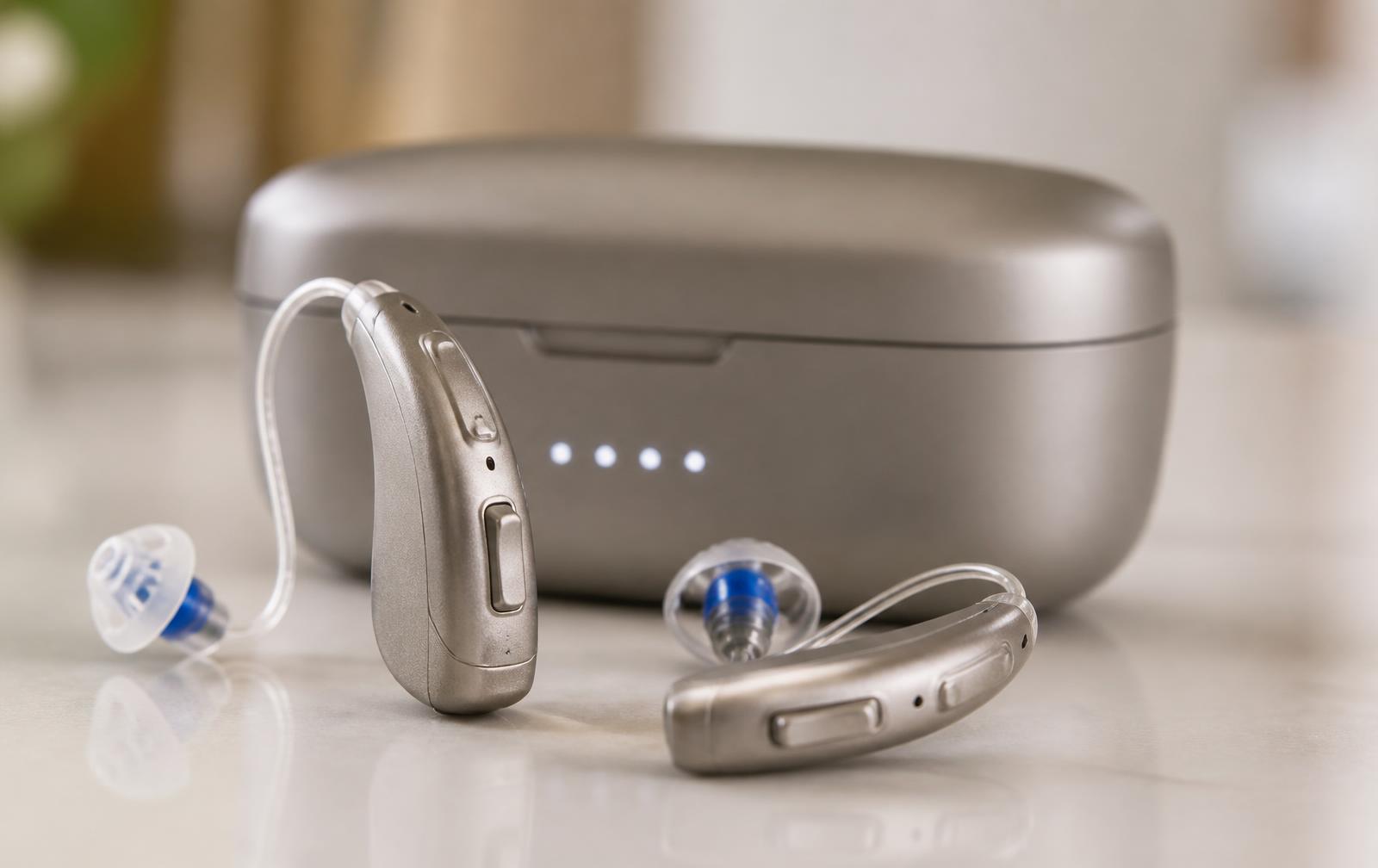
A hearing insurance plan generally centers on a routine hearing exam or audiologic evaluation, often available for a set copay, along with a separate allowance applied toward the purchase of hearing aids. Because that allowance is usually a fixed dollar amount rather than full coverage, the technology level of the device chosen can significantly affect the remaining out-of-pocket cost. Fitting appointments and the follow-up adjustments needed to get a device working well are typically included, and many plans also spell out how batteries, accessories, and repairs or replacements are handled.
Benefit cycles for hearing plans commonly run on a yearly basis for exams, while hearing aid replacement is often governed by a separate, longer schedule. Original Medicare (Parts A and B) generally does not cover routine hearing exams or hearing aids, though it may cover a diagnostic hearing test when ordered by a doctor to evaluate a medical condition. Given Kern County's geographic spread, from Bakersfield's larger provider base to more remote desert and mountain communities, comparing in-network versus out-of-network access is an especially relevant step when weighing a standalone hearing plan against a Medicare Advantage hearing benefit.
Why Kern County Seniors Consider Hearing Insurance
- Filling the Original Medicare gapRetirees throughout Bakersfield and beyond often find that Original Medicare doesn't help with routine hearing exams or hearing aids, prompting interest in standalone coverage.
- Accounting for long travel distancesSeniors in Ridgecrest, Tehachapi, or California City may need to travel a considerable distance for audiology care, making network reach an important factor.
- Planning around hearing aid technology choicesHouseholds weighing different hearing aid features can compare a plan's allowance against the cost of the device style they're considering.
- Comparing built-in Advantage benefits to standalone plansKern County retirees on Medicare Advantage often check whether the plan's hearing benefit meets their needs or whether a standalone policy offers more.
Hearing Coverage Across Kern County's Varied Geography
Bakersfield is home to the county's largest concentration of audiologists and hearing aid providers, serving as the primary hub for much of the surrounding region. Farming communities like Delano, Wasco, Arvin, and Shafter are within a reasonable drive of Bakersfield, but residents there still often weigh the convenience of a closer out-of-network provider against the potential savings of an in-network visit farther away.
Kern County's more remote areas, including Ridgecrest in the high desert and Tehachapi in the mountains, present a different set of considerations, since audiology providers may be fewer and farther between in those areas. For seniors living in these outlying communities, a hearing plan's out-of-network reimbursement and overall network breadth often carry more weight than they might for someone living closer to Bakersfield's more concentrated provider options.
Communities we serve in Kern County
Bakersfield · Delano · Ridgecrest · Tehachapi · Wasco · Arvin · Shafter · California City
Plan Features Worth Comparing in Kern County
Given the county's geographic range, Kern County seniors often prioritize a specific set of plan details.
Network reach across a large county
Because Kern County spans urban, agricultural, and remote desert areas, checking a plan's network breadth is particularly relevant here.
Hearing aid allowance structure
Comparing the dollar allowance toward a device against its expected cost helps set realistic expectations.
Out-of-network reimbursement
For residents in Ridgecrest or Tehachapi, understanding how a plan handles out-of-network visits can matter more than for those closer to Bakersfield.
Fitting and adjustment visit coverage
Confirming how many follow-up adjustment visits are included helps avoid unexpected costs after a device purchase.
Standalone plan vs. Medicare Advantage hearing benefit
The built-in hearing benefit on a Medicare Advantage plan may look different from a standalone policy's allowance, so comparing both is worthwhile.
Repair, battery, and accessory coverage
Ongoing costs for batteries or repairs can add up, so understanding what a plan covers beyond the initial device purchase is useful.
Start with our senior hearing insurance overview, compare it with vision insurance, or browse every coverage option.
Hearing Insurance Questions in Kern County
Other Serving Areas
We help seniors compare hearing benefits across the Central Valley, foothills and Central Coast. Choose your county for local guidance.
Looking Into Hearing Insurance in Kern County?
Jeff Swain helps Kern County seniors, whether in Bakersfield or more remote communities, compare hearing insurance options clearly and without pressure.