

Hearing Insurance in San Joaquin County, Practical Coverage for Everyday Hearing Care
San Joaquin County retirees from Stockton to Tracy often expect Original Medicare to help if a hearing aid becomes necessary, only to find that it generally doesn't cover routine hearing exams or the devices themselves. Standalone hearing insurance and the hearing benefits built into some Medicare Advantage plans both try to bridge that gap, though they differ in how allowances, copays, and provider access are structured.
How Senior Hearing Insurance Works
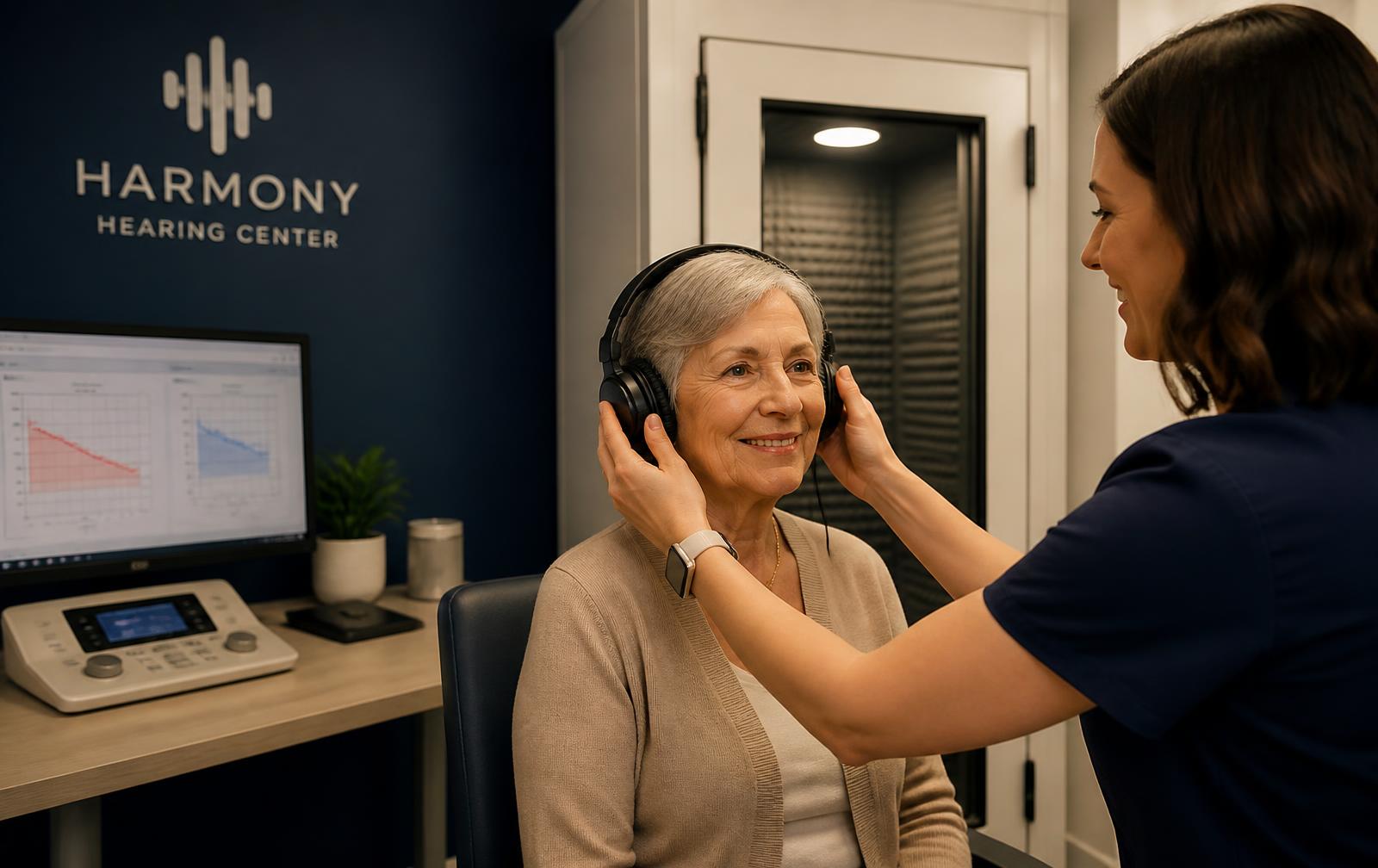
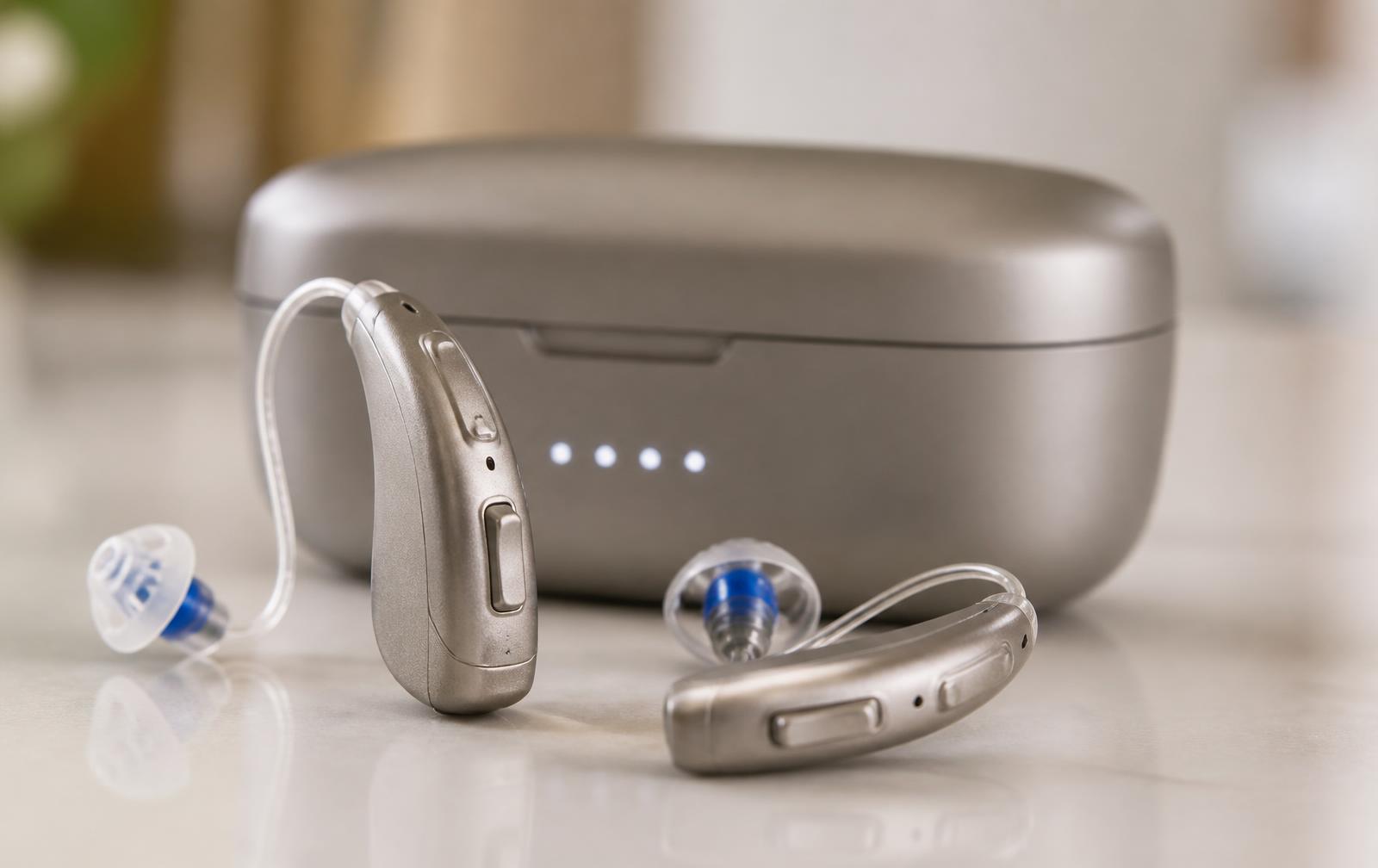
A standard hearing insurance plan typically covers a routine hearing exam or audiologic evaluation for a set copay, paired with an allowance toward a hearing aid purchase or a tiered copay depending on which device level is chosen. Fitting the device and completing a limited number of follow-up adjustment visits are usually included with the purchase itself, since hearing aids often need recalibration once a person starts wearing them regularly. Batteries and accessories may fall under a separate small allowance or be excluded from the core benefit, so it's worth confirming which applies.
Hearing aids generally have a replacement schedule built into a plan, meaning a new device typically isn't covered again until a certain number of years have passed. Original Medicare (Parts A and B) generally does not pay for routine hearing exams or hearing aids, although it may help cover a diagnostic hearing test ordered by a doctor to evaluate a medical condition. Given that, San Joaquin County seniors often compare a standalone hearing plan against a Medicare Advantage plan's built-in hearing benefit, paying attention to which audiologists are in-network versus available only on an out-of-network basis.
Why San Joaquin County Seniors Consider Hearing Insurance
- Filling the Original Medicare gapRetirees around Stockton and Tracy frequently learn that Original Medicare doesn't cover routine hearing exams or hearing aids, prompting interest in standalone hearing plans.
- Budgeting ahead for a hearing aidHouseholds anticipating a hearing aid purchase can review a plan's allowance or copay tiers before scheduling an evaluation.
- Weighing provider access across a large countySeniors near Escalon or Ripon sometimes look for a plan with workable out-of-network benefits if their preferred audiologist is farther from the county's larger cities.
- Comparing Advantage hearing benefits to standalone plansMany San Joaquin County retirees on a Medicare Advantage plan check whether its built-in hearing benefit covers as much as a dedicated hearing insurance policy.
Hearing Coverage Considerations Across San Joaquin County
Stockton, as the county seat, generally has the widest concentration of audiology practices and hearing aid providers, with Tracy and Manteca serving as growing secondary hubs for residents on the county's western and southern edges. Smaller communities like Escalon, Ripon, and Lathrop sit at varying distances from those centers, so residents there often weigh the value of an in-network provider farther away against a closer option that may be out-of-network.
San Joaquin County's rapid growth in communities like Mountain House has brought newer residents who may be comparing hearing coverage for the first time as they settle into retirement, while longtime residents in agricultural areas near Lodi and Escalon sometimes rely on established relationships with local providers. Either way, checking whether a preferred audiologist is in-network can meaningfully affect the out-of-pocket cost of an exam or hearing aid fitting.
Communities we serve in San Joaquin County
Stockton · Tracy · Manteca · Lodi · Ripon · Escalon · Lathrop · Mountain House
Plan Design Choices to Weigh
San Joaquin County seniors typically compare several structural details before choosing a hearing plan.
Exam copay vs. hearing aid allowance
Plans usually separate the cost of the audiologic evaluation from the allowance or copay tier applied toward a hearing aid.
In-network vs. out-of-network audiologists
Using an in-network provider generally stretches a plan's hearing aid allowance further than going out-of-network.
Fitting and follow-up adjustment limits
Knowing how many adjustment visits come with a hearing aid purchase helps avoid unexpected costs after the initial fitting.
Batteries and accessories coverage
Some plans include a small allowance for batteries and accessories, while others treat these as an ongoing separate expense.
Standalone hearing plan vs. Medicare Advantage hearing benefit
A standalone policy's allowance may differ meaningfully from a Medicare Advantage plan's built-in hearing benefit.
Replacement schedule timing
Since hearing aids are typically covered again only after a set number of years, timing a purchase around that cycle can matter.
Start with our senior hearing insurance overview, compare it with vision insurance, or browse every coverage option.
Hearing Insurance Questions in San Joaquin County
Other Serving Areas
We help seniors compare hearing benefits across the Central Valley, foothills and Central Coast. Choose your county for local guidance.
Exploring Hearing Insurance Options in San Joaquin County?
Jeff Swain helps San Joaquin County seniors compare standalone hearing plans and Medicare Advantage hearing benefits at a comfortable pace, with clear answers and no pressure.