

Hearing Insurance in Monterey County, Coastal and Valley Coverage Alike
Monterey County retirees, whether living along the coast near Monterey or inland around Salinas and King City, are often surprised that Original Medicare doesn't help much with a routine hearing exam or the cost of a hearing aid. Standalone hearing insurance and the hearing benefits offered through some Medicare Advantage plans both attempt to address that shortfall, though how each structures allowances and provider networks can vary considerably.
Understanding Senior Hearing Coverage
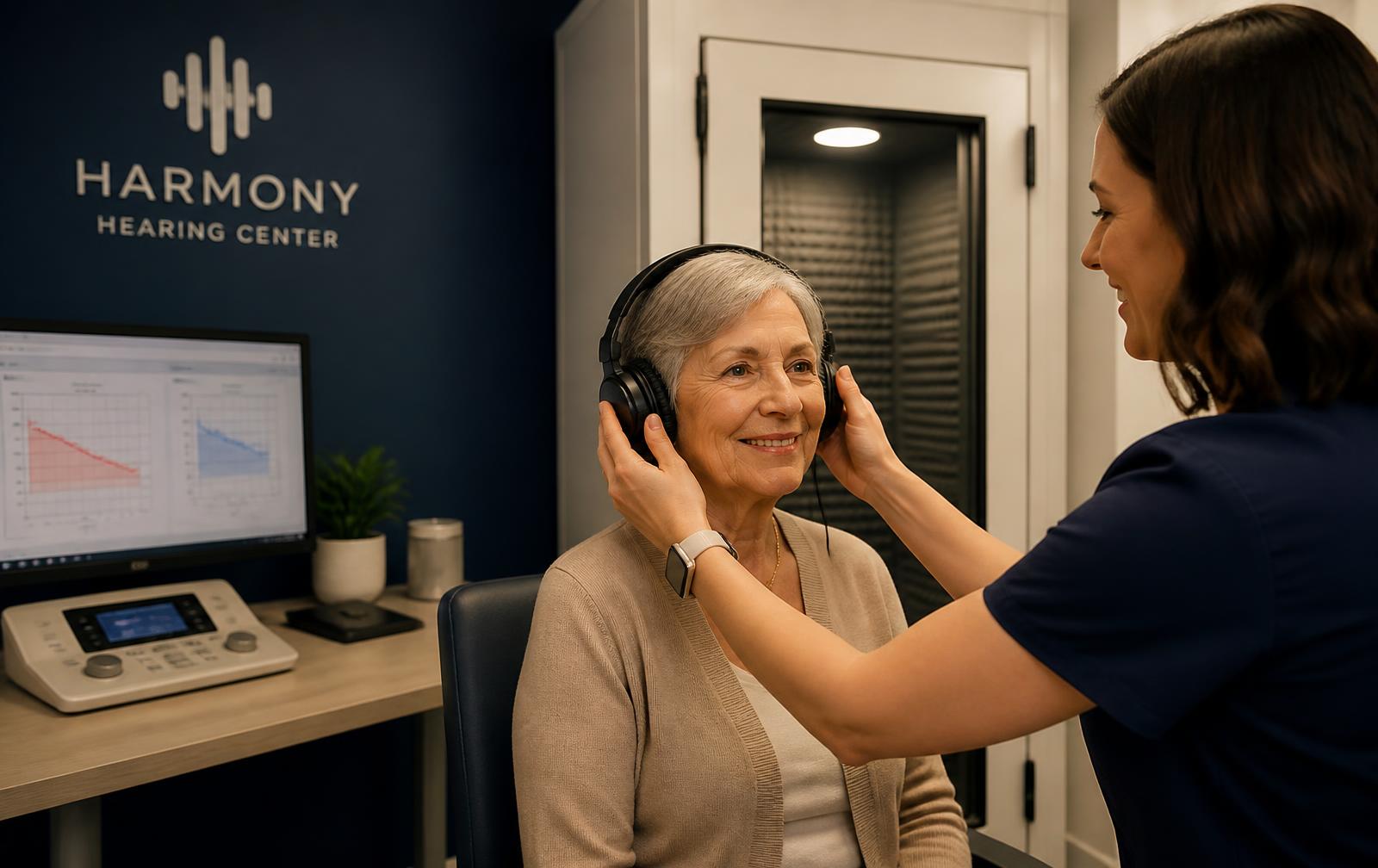
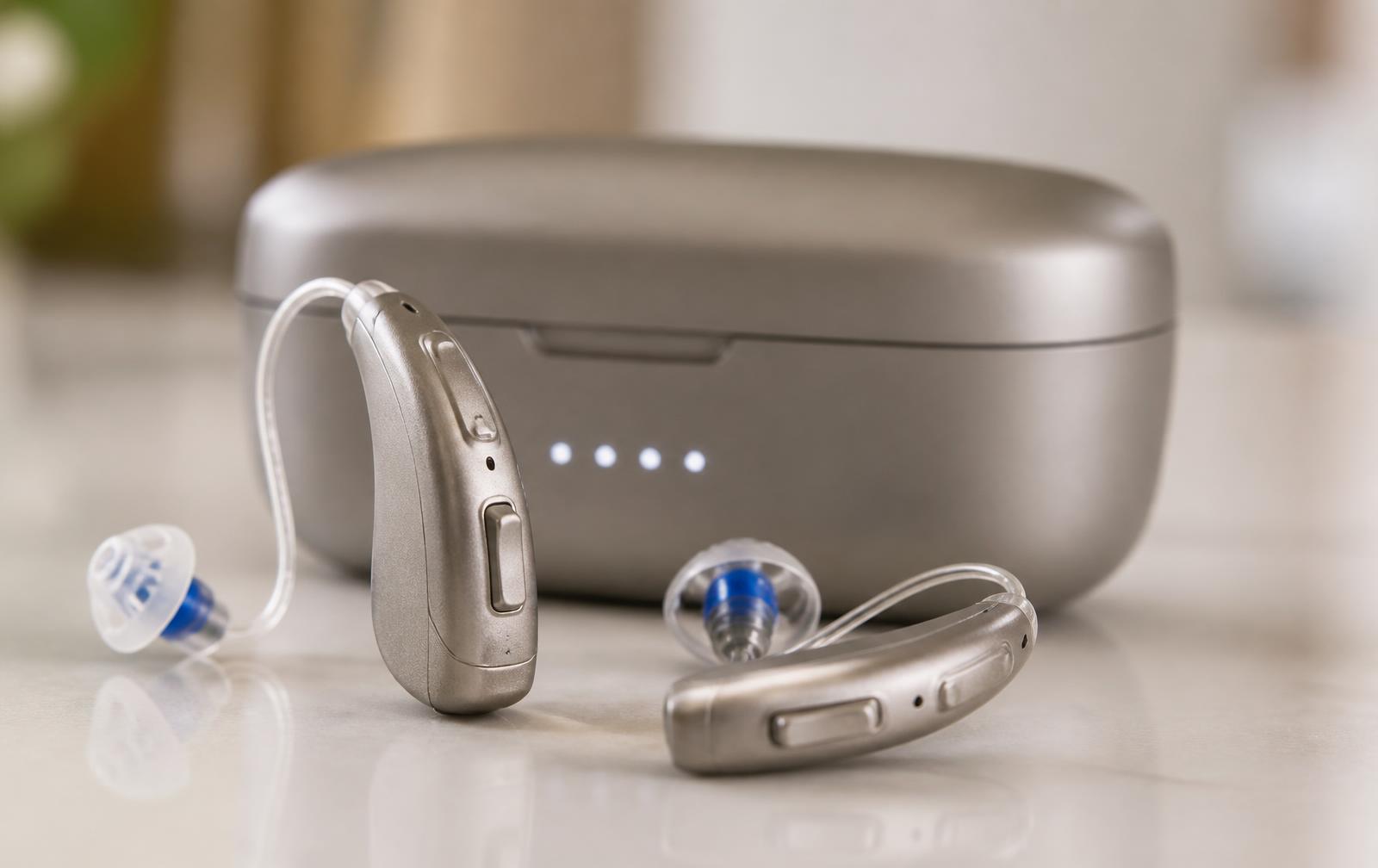
Most hearing insurance plans are built around a routine hearing exam or audiologic evaluation, typically available for a set copay, along with an allowance toward a hearing aid purchase or a tiered copay structure tied to the device's technology level. Fitting appointments and a limited number of follow-up adjustment visits are usually bundled into the hearing aid purchase, since proper calibration often takes more than a single visit. Batteries and accessories may come with a modest separate allowance or may not be included at all, so checking a plan's specifics ahead of time is worthwhile.
Because hearing aids wear out or become outdated over time, plans generally include a replacement schedule that limits how frequently a new device is covered. Original Medicare (Parts A and B) generally does not cover routine hearing exams or hearing aids, though it may help pay for a diagnostic hearing test ordered by a physician to evaluate a medical condition. Given Monterey County's spread between coastal cities and inland agricultural towns, many seniors here compare a standalone hearing plan against a Medicare Advantage plan's built-in hearing benefit, with particular attention to in-network versus out-of-network audiologist access.
Why Monterey County Seniors Consider Hearing Insurance
- Filling the Original Medicare gapRetirees around Monterey and Salinas often discover that Original Medicare doesn't cover routine hearing exams or hearing aids, leading them to look at standalone coverage.
- Planning for a hearing aid purchaseHouseholds expecting to need a new device can review a plan's allowance or copay tiers before scheduling an evaluation.
- Weighing travel from inland communitiesSeniors in King City, Greenfield, or Soledad who travel toward Salinas or the coast for audiology care sometimes prefer a plan with usable out-of-network benefits.
- Comparing Advantage hearing benefits to standalone plansSome Monterey County retirees on a Medicare Advantage plan check whether its built-in hearing benefit matches what a dedicated hearing insurance policy would provide.
Hearing Coverage Considerations Across Monterey County
The Monterey Peninsula and Salinas generally offer the county's widest concentration of audiology practices, while coastal communities like Seaside and Marina have their own nearby access to hearing care providers. Inland along the Salinas Valley, towns such as King City, Soledad, Gonzales, and Greenfield sit farther from that concentration, meaning residents there often weigh the drive to an in-network provider near Salinas against a closer but possibly out-of-network alternative.
Monterey County's geography, stretching from ocean-adjacent neighborhoods to agricultural valley towns, means travel time to a hearing exam or a follow-up fitting appointment can differ substantially depending on where a retiree lives. That variation is part of why network breadth and out-of-network reimbursement terms often carry real weight for residents comparing hearing insurance options here.
Communities we serve in Monterey County
Salinas · Monterey · Seaside · King City · Gonzales · Soledad · Marina · Greenfield
Plan Design Choices to Weigh
Monterey County seniors typically compare a handful of plan design details before enrolling in hearing coverage.
Hearing exam copay vs. hearing aid allowance
Plans generally separate the cost of the audiologic evaluation from the allowance or copay tier applied toward a hearing aid device.
In-network vs. out-of-network audiologists
Given the distance between coastal and inland communities, understanding network access can meaningfully affect out-of-pocket costs.
Fitting and follow-up adjustment visits
Most plans include a set number of adjustment visits with a hearing aid purchase, so it's worth confirming how many.
Batteries and accessories coverage
Some plans provide a small allowance for batteries and accessories, while others leave these as an ongoing separate cost.
Standalone hearing plan vs. Medicare Advantage hearing benefit
A standalone policy's allowance can differ from a Medicare Advantage plan's built-in hearing benefit, so comparing both is worthwhile.
Replacement schedule timing
Plans typically only cover a new hearing aid after a set number of years have passed, so timing a purchase accordingly can help.
Start with our senior hearing insurance overview, compare it with vision insurance, or browse every coverage option.
Hearing Insurance Questions in Monterey County
Other Serving Areas
We help seniors compare hearing benefits across the Central Valley, foothills and Central Coast. Choose your county for local guidance.
Exploring Hearing Insurance Options in Monterey County?
Jeff Swain helps Monterey County seniors compare standalone hearing plans and Medicare Advantage hearing benefits at a comfortable pace, with clear answers and no pressure.