

Hearing Insurance in Santa Barbara County, Clarity for Hearing Exams and Devices
Many Santa Barbara County retirees assume that Medicare will help pay for a hearing aid the way it helps with other medical costs, only to find that Original Medicare generally excludes routine hearing exams and hearing aids from coverage. Standalone hearing insurance and the hearing benefits bundled into some Medicare Advantage plans both aim to address that gap, though the details of allowances, copays, and networks differ enough to be worth comparing carefully.
Understanding Senior Hearing Coverage
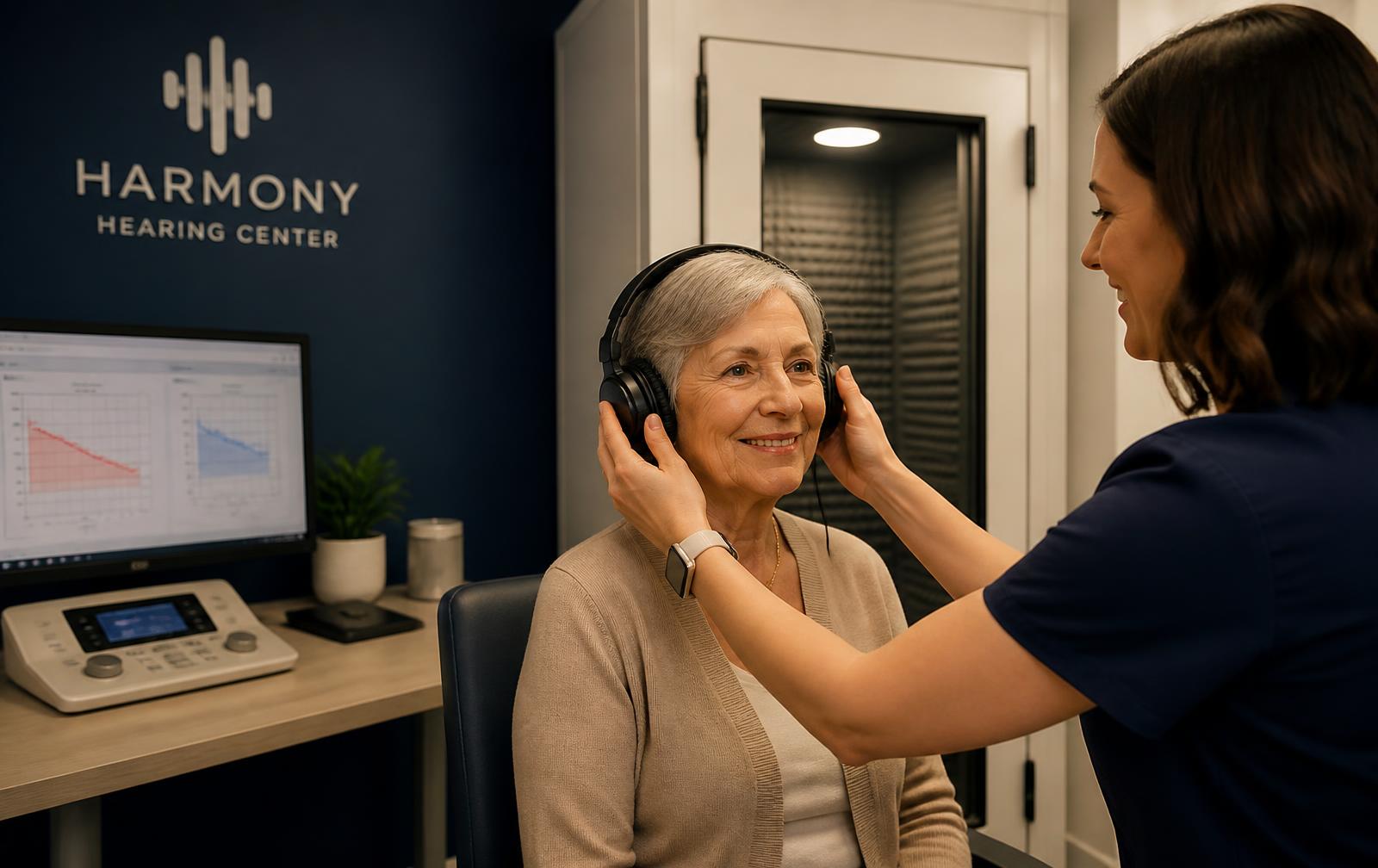
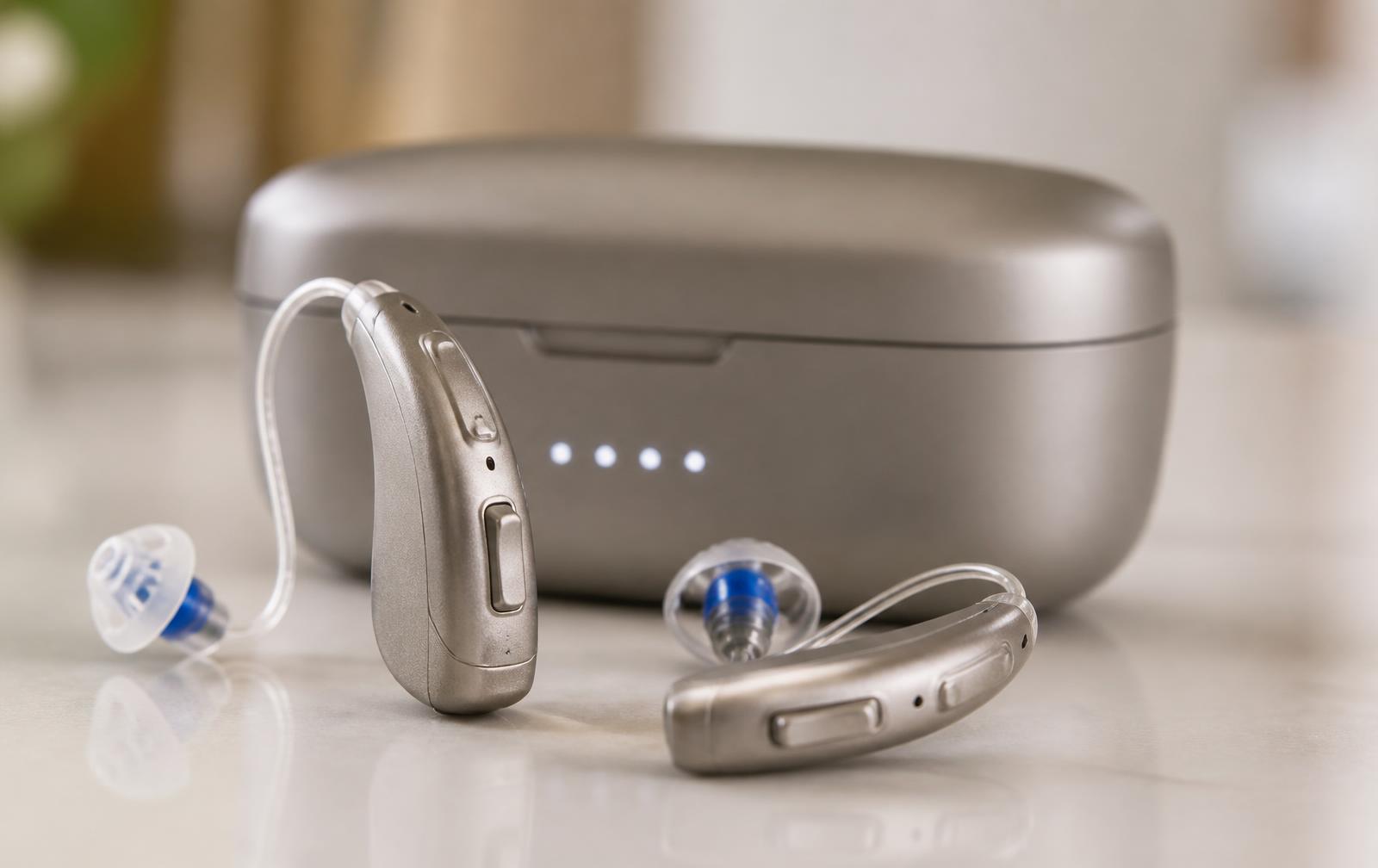
A typical hearing insurance plan pairs a routine audiologic evaluation, often available for a modest copay, with either a set dollar allowance toward hearing aids or a tiered copay structure based on the device level a policyholder chooses. Fitting visits at the time of purchase are generally part of the benefit, and many plans also include a limited number of follow-up adjustment appointments, along with some coverage or discount for batteries and accessories, though the specifics vary by plan.
Because hearing aids are not typically replaced every year, benefit cycles for device replacement often span multiple years rather than resetting annually the way some other insurance benefits do. Original Medicare (Parts A and B) generally does not pay for routine hearing exams or hearing aids, although it may help cover a diagnostic hearing test ordered by a physician to evaluate a medical condition. As a result, Santa Barbara County seniors often compare a standalone hearing policy against a Medicare Advantage plan's built-in hearing benefit, paying close attention to whether a preferred audiologist falls in-network.
Why Santa Barbara County Seniors Look Into Hearing Insurance
- Addressing the Original Medicare gapRetirees around Santa Barbara and Goleta often find that Original Medicare leaves routine hearing exams and hearing aids largely uncovered, prompting a look at standalone plans.
- Planning for hearing aid replacementSeniors who expect to need a new device soon can review a plan's allowance and multi-year replacement schedule before their next audiology visit.
- Considering travel between North County and South CountyResidents in Santa Maria or Lompoc sometimes prefer a plan with a workable out-of-network benefit rather than one tied narrowly to providers near Santa Barbara.
- Comparing Advantage hearing benefits to standalone plansMany Santa Barbara County retirees on a Medicare Advantage plan check whether its built-in hearing benefit matches what a dedicated hearing policy would provide.
Hearing Coverage Across Santa Barbara County
The city of Santa Barbara and neighboring Goleta host a concentration of audiology and hearing care providers along the South Coast, while Santa Maria and Lompoc serve as hubs for the more agricultural North County. Smaller communities such as Guadalupe, Buellton, and Solvang sit at varying distances from those hubs, so residents there often weigh whether an in-network provider farther away is worth the drive over the Santa Ynez grade or along Highway 101 compared with a closer out-of-network option.
Santa Barbara County's geography, split by mountains and distance between its coastal and inland communities, means that network breadth and out-of-network reimbursement can carry real weight for hearing insurance shoppers here. Retirees who split time between the South Coast and the Santa Ynez Valley sometimes look specifically for plans that don't tie them to a single narrow service area.
Communities we serve in Santa Barbara County
Santa Barbara · Santa Maria · Lompoc · Goleta · Carpinteria · Guadalupe · Buellton · Solvang
Choices to Consider When Comparing Plans
Santa Barbara County seniors generally focus on a set of core plan design questions.
Exam copay structure
Understanding what a routine hearing exam costs under a plan, even with coverage, helps set expectations before scheduling an evaluation.
Network access across North and South County
A plan that reimburses out-of-network visits can matter for seniors in Lompoc, Guadalupe, or other communities farther from Santa Barbara's audiology offices.
Hearing aid allowance vs. copay tiers
Some plans use a flat dollar allowance while others use tiered copays based on device technology level, and comparing the two structures matters.
Fitting and adjustment visit limits
Confirming how many follow-up adjustment appointments are included after a fitting can prevent surprises later.
Standalone plan vs. Medicare Advantage hearing benefit
A fixed Advantage hearing benefit may not stretch as far as a standalone plan's allowance, depending on the specific plans compared.
Repair and replacement timing
Since hearing aid replacement is usually allowed only every few years, understanding the cycle helps with long-term budgeting.
Start with our senior hearing insurance overview, compare it with vision insurance, or browse every coverage option.
Hearing Insurance Questions in Santa Barbara County
Other Serving Areas
We help seniors compare hearing benefits across the Central Valley, foothills and Central Coast. Choose your county for local guidance.
Comparing Hearing Insurance Options in Santa Barbara County?
Jeff Swain walks Santa Barbara County seniors through standalone hearing plans and Medicare Advantage hearing benefits, explaining the tradeoffs clearly and without pressure.